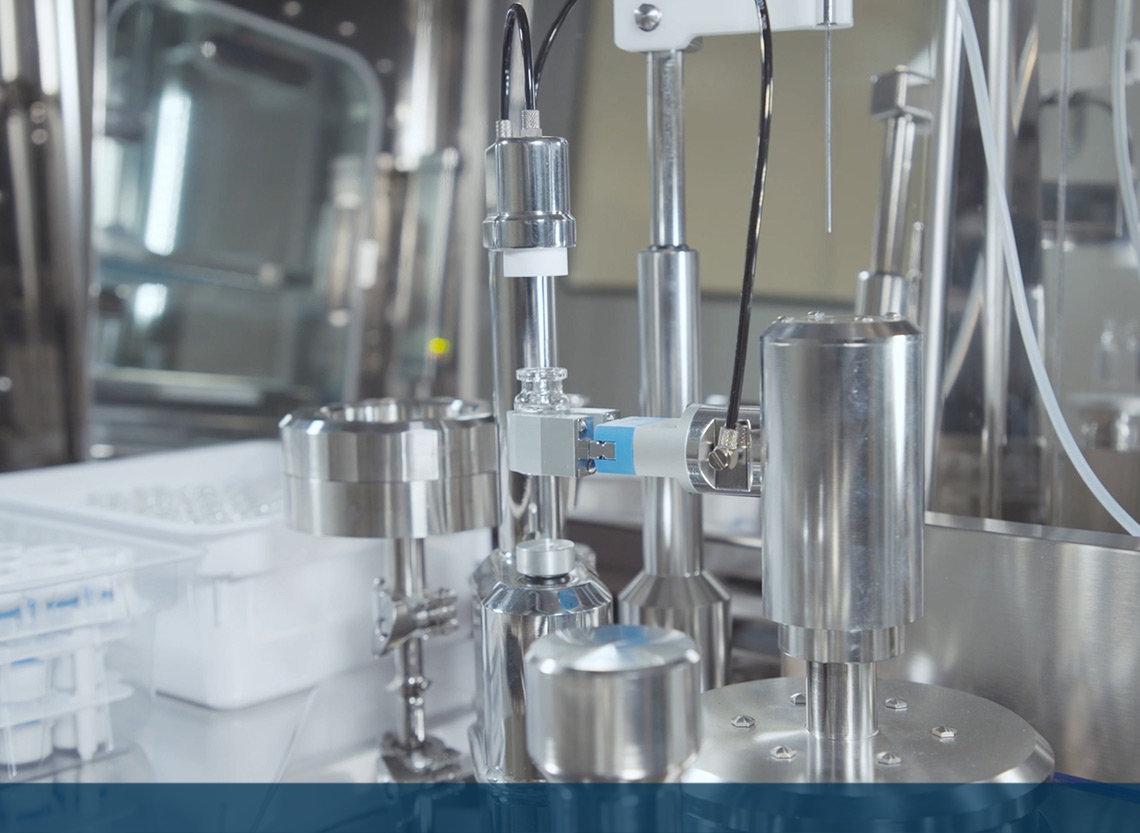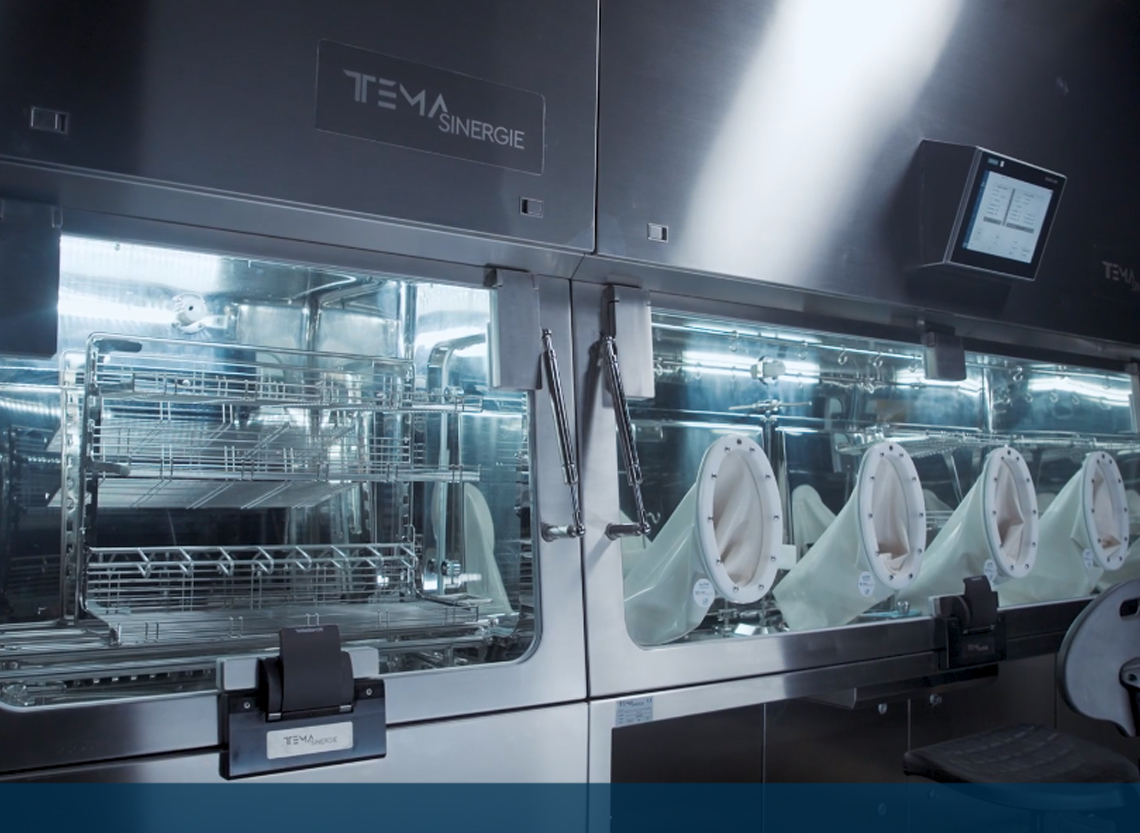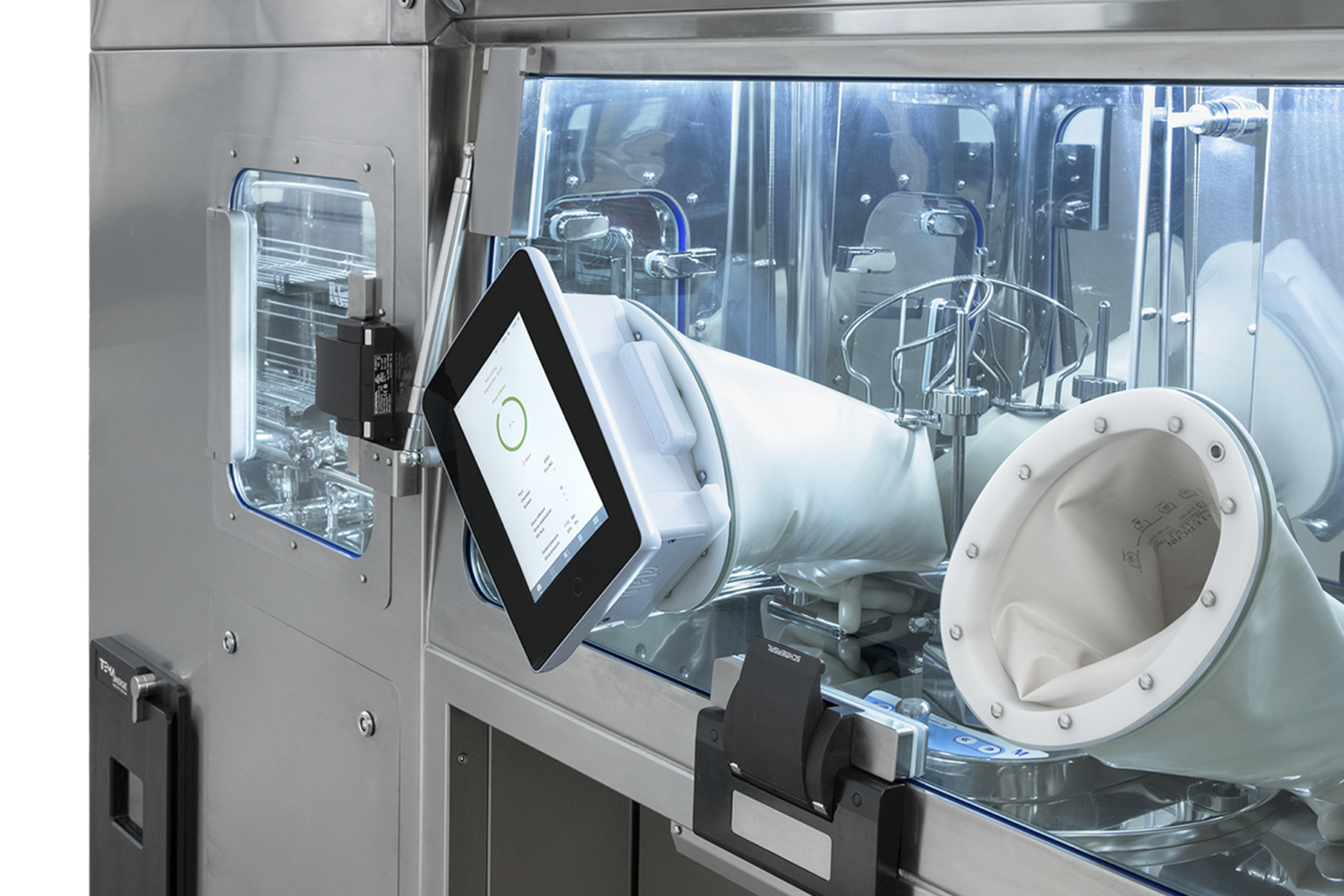

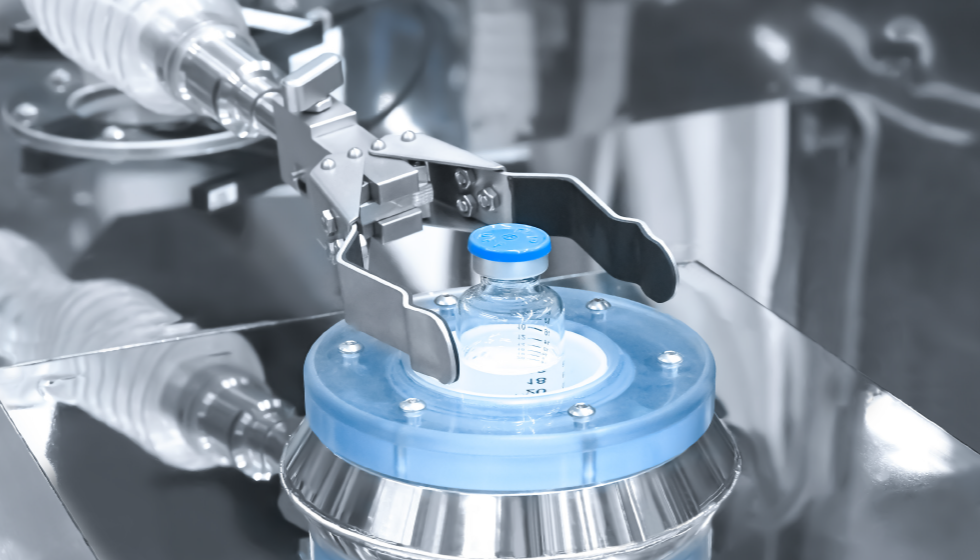








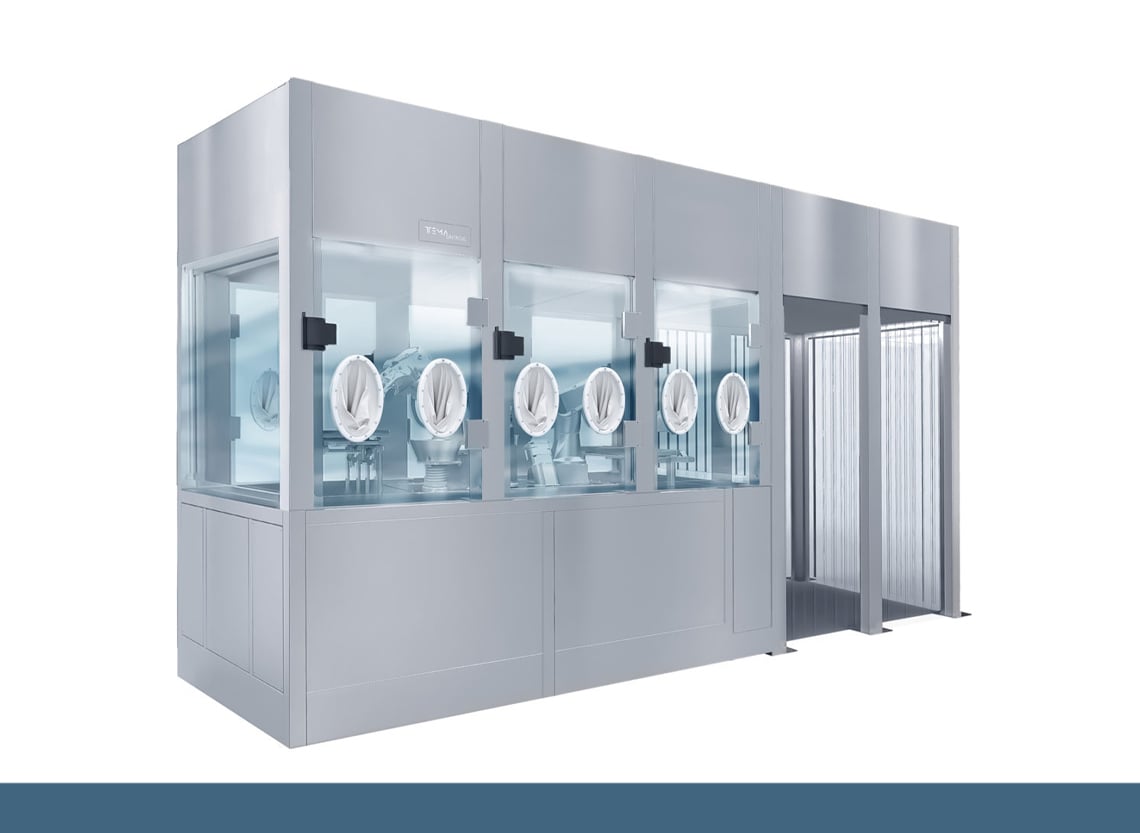
The new regulatory challenges posed by GMP Annex 1 require rapid and effective solutions for contamination control. Plant retrofitting with RABS systems can offer a potential solution for updating existing facilities without design complications.
RABS: An Efficient Solution for Retrofitting.
While GMP Annex 1 is intended to provide guidelines for the manufacturing of sterile products only, it also allows for the implementation of certain contamination control principles and methodologies to produce non-sterile products, such as ointments, creams, low-bioburden biological intermediates and the like. If a manufacturer chooses to apply the Annex 1 guidelines to a non-sterile product, it must document the actions taken and initiate procedures to recognize compliance with these principles.
It goes without saying that many companies, previously not directly affected by contamination control regulations, have found themselves having to adapt their plants.
In this context, although GMP Annex 1 favors the use of Pharmaceutical Isolators, RABS represent an extremely valid solution for retrofitting production lines. Their versatility makes them ideal for modifying existing processes, ensuring high levels of containment and reliability, with lower costs and time than isolators.
From process analysis to design: the importance of an expert partner.
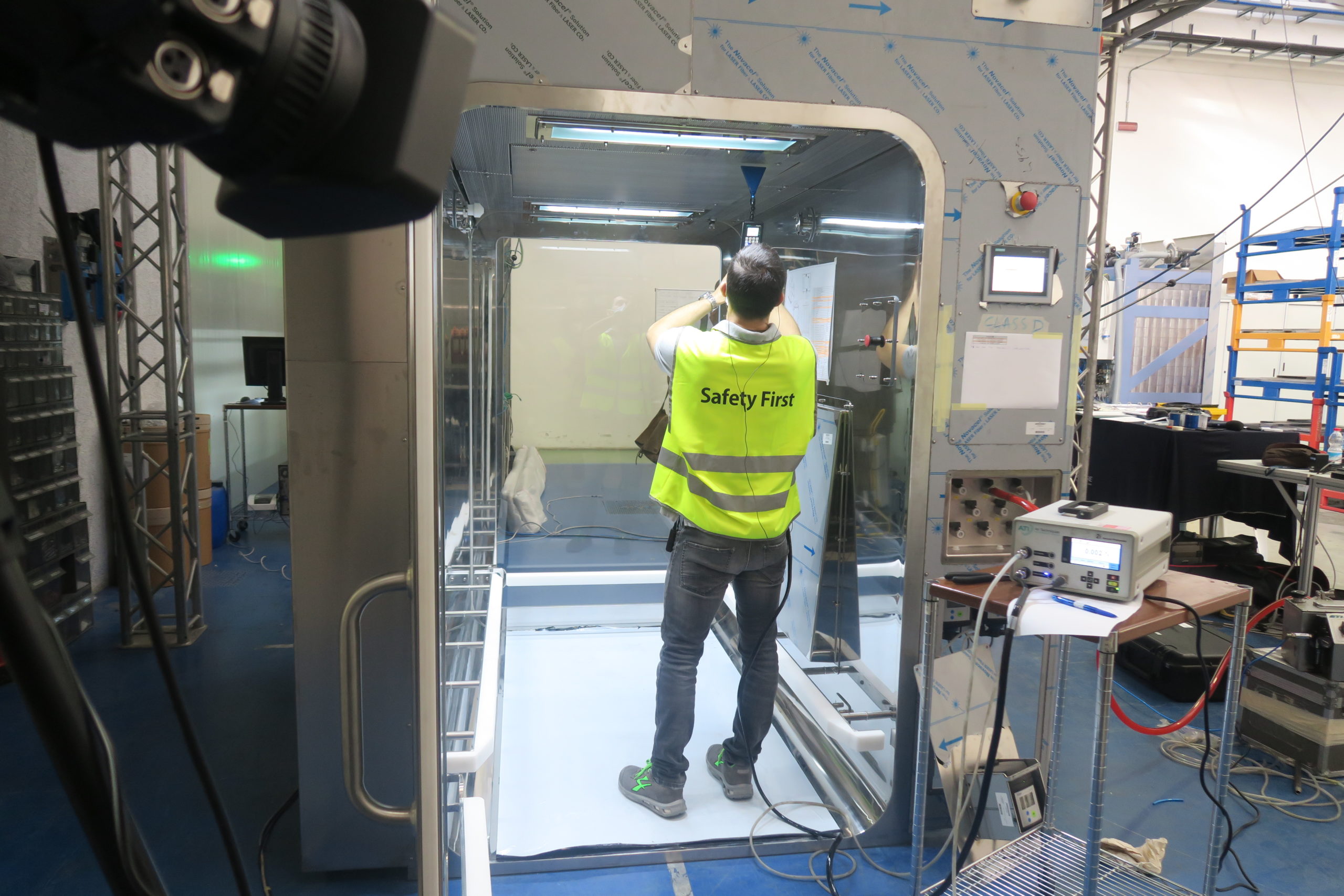
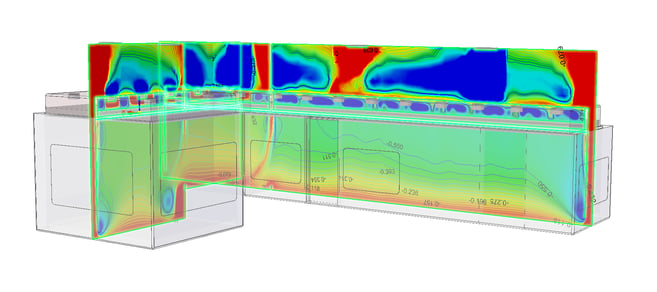 Properly designing and sizing a RABS system requires a thorough understanding of the process to be protected. Relying on an expert RABS manufacturer can make all the difference in achieving successful containment. Tema Sinergie, as a manufacturer of isolators and RABS, has gained years of experience and methodologies that can guide customers in retrofitting their systems.
First, it is necessary to identify the critical aspects of the process and the operating characteristics of the machine to be enclosed in the RABS.
- Which parts are in motion?
- How does the product exit?
- What mechanical elements could impede laminar flow?
- How many and what manual operations are necessary?
These are some of the questions that allow us to identify critical areas and design an effective and reliable RABS.
Corrective actions can be taken, such as optimizing ventilation, using double glazing for symmetrical air distribution in the case of C-RABS, or using localized air intakes to strengthen protection in specific areas.
In the latter case, by working with the pressure drops of the outlet ducts, it is possible to direct the air to the area of greatest interest, taking the reliability of the laminar flow to the next level.
After this phase, proceeding Is possible with a computational fluid dynamics (CFD) simulation. This tool allows us to validate the flow distribution and highlight critical issues, but above all, it allows us to anticipate potential issues, ranging from calculating pressure drops, which then impact the fans, to areas where turbulence may arise. 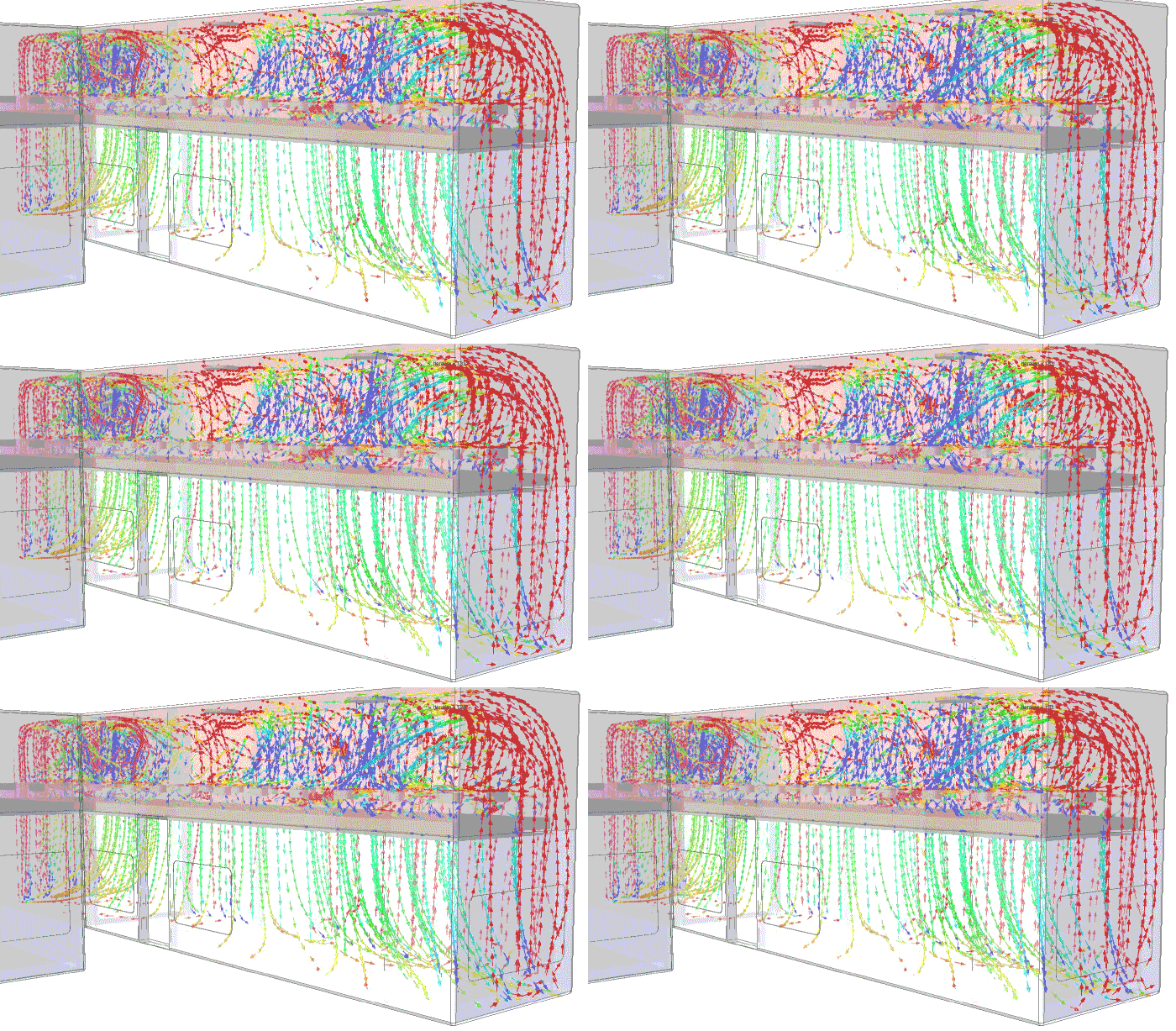
GMP Annex 1 and contamination control: compliance doesn't have to be complex and expensive.
Over time, this approach has proven effective in enhancing the reliability of integration between the RABS and the process to be isolated. In a landscape where contamination control standards are increasingly stringent, many companies fear high costs and complex solutions. But compliance doesn't have to be difficult or expensive.
With RABS and the support of the right partner, it's possible to take process containment to the next level. Fewer design complications and more concrete solutions: this is the value of our experience.
Related
Related content
Other useful articles to frame the topic and explore technical and corporate aspects.